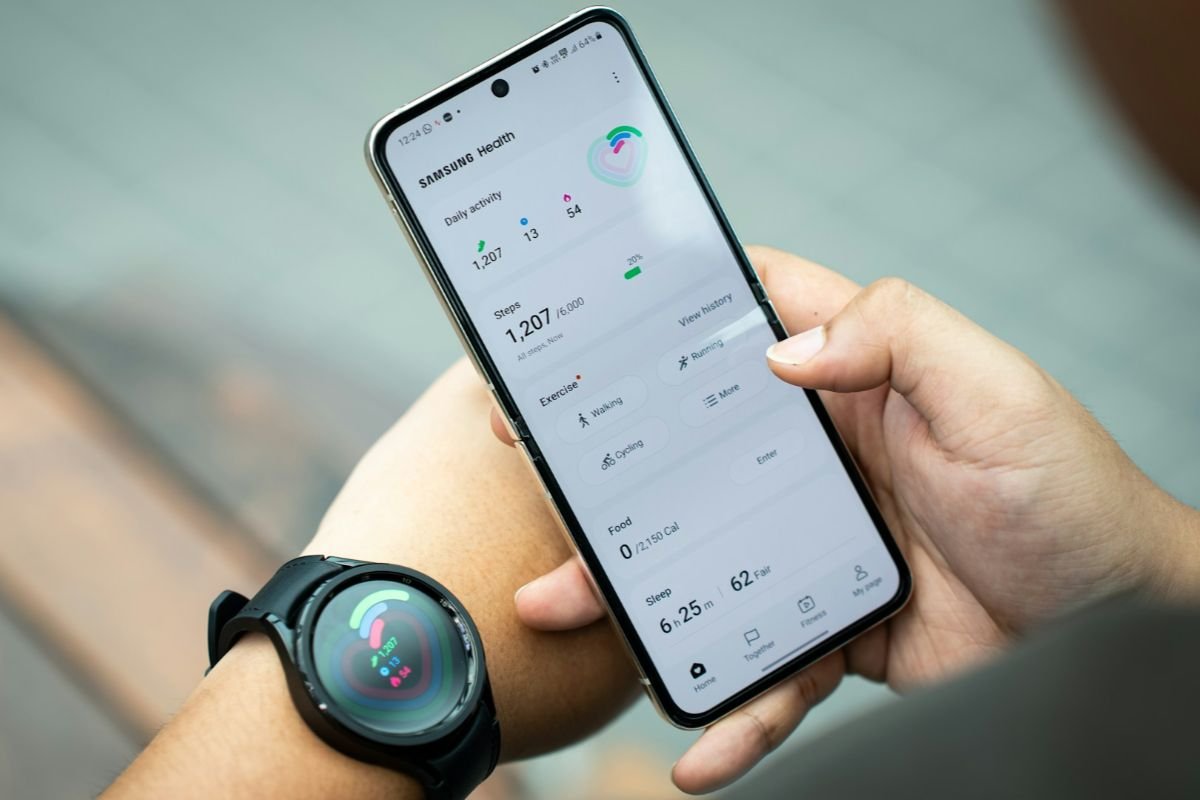

Chronic conditions such as diabetes, hypertension, and asthma require consistent monitoring and long-term care. Digital tools are transforming how individuals track symptoms, manage medication, and communicate with healthcare providers. These technologies improve adherence, data accuracy, and early intervention. Structured digital support strengthens patient autonomy and enhances healthcare coordination.
1. Remote Monitoring Devices
Wearable and home-based devices collect real-time health data.
Common tools include:
Glucose monitors
Blood pressure trackers
Smart inhalers
Continuous monitoring improves disease control.
2. Mobile Health Applications
Health apps centralize medical information.
Key features often include:
Medication reminders
Symptom logging
Appointment scheduling
Digital tracking improves consistency.
3. Telehealth Integration
Virtual consultations reduce barriers to care.
Telehealth enables:
Routine follow-ups
Medication adjustments
Remote specialist access
Access improves treatment continuity.
4. Data-Driven Personalization
Digital platforms analyze patient trends over time.
Personalized insights help:
Adjust lifestyle habits
Optimize medication timing
Identify risk triggers
Data improves proactive care.
Conclusion
Digital tools support chronic condition management through remote monitoring, mobile tracking, telehealth access, and data-driven personalization. Structured digital systems improve adherence and early intervention. Technology enhances patient empowerment while strengthening healthcare outcomes.